By Madison Shaw
Originally published in the Left Hand Valley Courier on Oct. 15, 2025
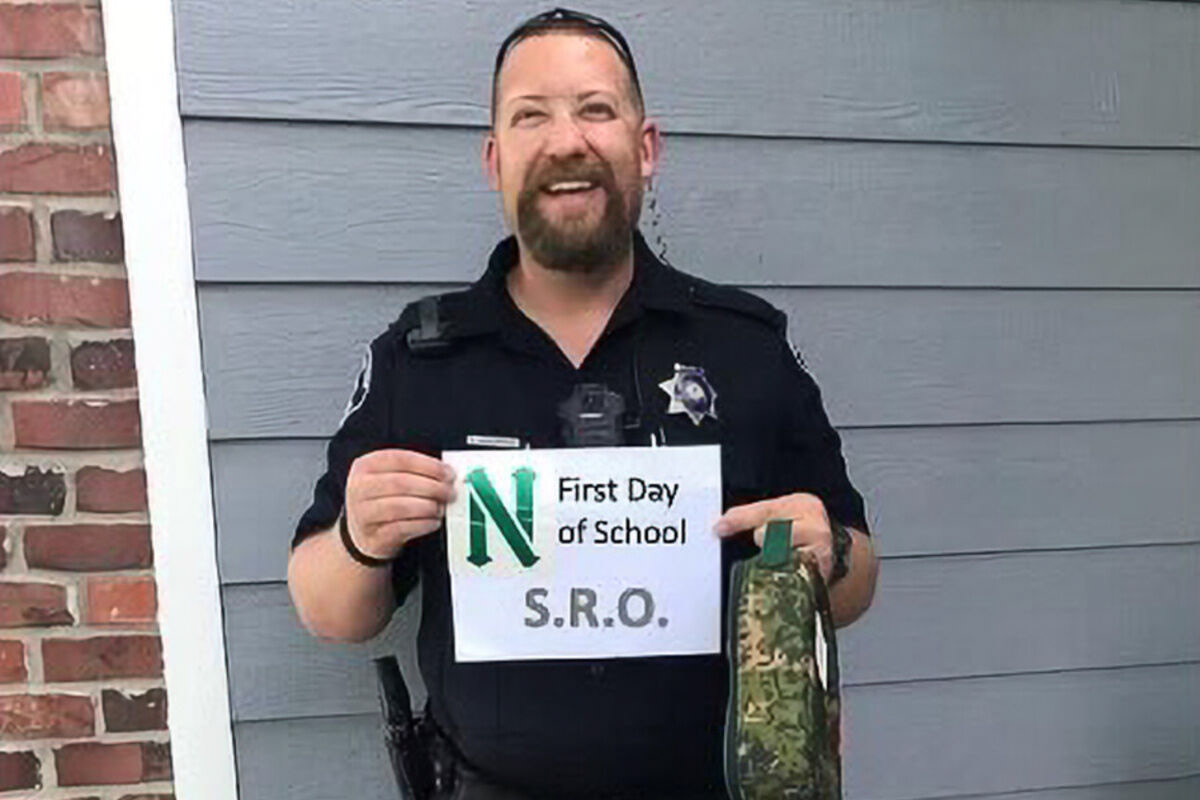
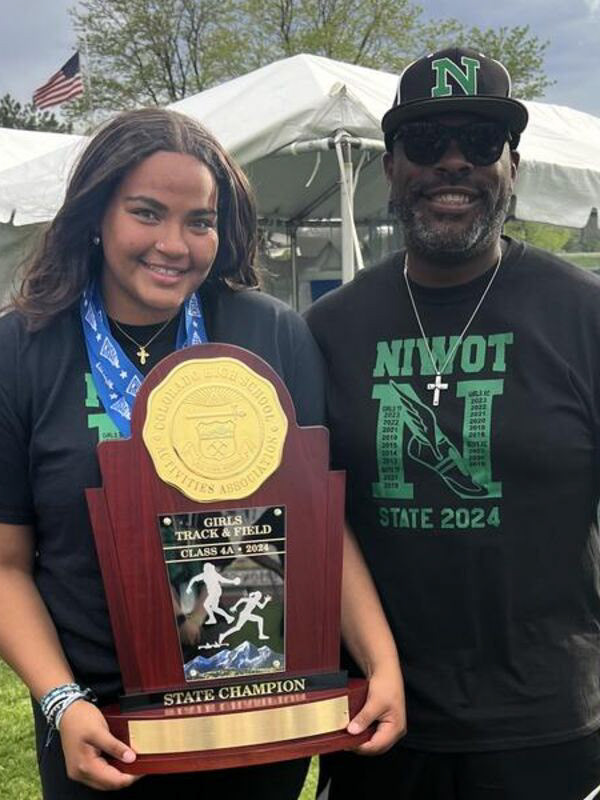
Boulder County Sheriff Deputy Eric Underwood is Niwot High School's School Resource Officer, a familiar and trusted presence on campus. (Photo Courtesy of Eric Underwood)
When students step onto Niwot High School's campus in the morning, one of the first faces they see is Boulder County Sheriff Deputy Eric Underwood. His patrol car is parked at the front of the school before the first bell rings, a subtle but powerful reminder that someone is looking out for them. For Underwood, Niwot's School Resource Officer (SRO) since the 2017-18 school year, presence is everything.
"Being there before the kids arrive is one of the most important parts of my job," he said. "Just seeing that patrol car lets parents and students know I'm here and that they're safe."
Underwood calls his position "the best thing I've ever done professionally," but it was not the career he imagined when he was younger. After his mother died in a car accident, he began rethinking his life and the type of work he wanted, leaving an unfulfilling finance career.
"I wanted a career I could be proud of and that my kids could be proud of," he said. "After my mom passed, I knew I needed to do something I truly cared about."
Encouraged by a friend who taught in the Boulder Valley School District, Underwood enrolled in the Police Academy at Red Rocks Community College. His own positive experience as a student and his ability to connect with the teenagers in his family made the idea feel like the right fit, and once the opportunity opened at Niwot, he jumped at the chance.
Now, his days revolve around visibility and connection. Underwood greets students as they arrive, checks in with them during passing periods, and keeps an eye on details that might signal someone is struggling. Something as small as a student who usually wears makeup showing up without any is enough to start a conversation.
"You can tell when something's off," he said. "Sometimes it's just that they chose to sleep in, and sometimes it's a sign they had a rough night. Either way, I check in."
Although enforcing the law is part of his role, it is far from his main focus. Most of Underwood's work centers on building relationships and supporting students in ways that extend beyond safety. He fields questions about everything from how to ask someone to a school dance to how to change a flat tire. When students make mistakes, he guides them toward learning opportunities, such as diversion classes, instead of criminal charges.
Those relationships often last well beyond high school. Former students stay in touch for advice, invitations, and recommendation letters. "That's the part most people don't see, the long-term connections," he said.
Students see those connections every day. "Officer Underwood is an exceptionally kind individual," junior Ella Shaw said. "When I asked him for career advice about becoming a cop, he was more than happy to help. I feel very fortunate to have him at Niwot."
Tori Villavicencio, a 2025 graduate, remembers how Underwood helped shape the school's atmosphere. "He helped make our school a positive and inclusive place where everyone felt safe and welcome," she said. "He would always stop to chat with my friends and me before we went to lunch, which always made our day."
Recent events have underscored how significant that presence can be. After a shooting at Evergreen High School, where a full-time SRO was not on campus, conversations about school safety have resurfaced. Underwood told CBS Colorado in an interview that while there is no perfect blueprint for preventing a tragedy, being present and prepared is essential.
"Just being at the school every day is so important," he said. "It's like being at a sporting event. When people see us around, it can be a powerful deterrent. And I'm constantly thinking through what I'd do in different scenarios so I'm ready to respond if something does happen."
He and Niwot's staff train regularly and coordinate with other SROs to stay ahead of potential issues. "There's no perfect way to stop a threat," Underwood said. "But communication, teamwork, and connecting with kids before something escalates all matter."
Principal Eric Rauschkolb said Underwood's role extends far beyond safety. "He acts as another quasi-counselor in our building," Rauschkolb said. "His superpower is building relationships with students to the point where they feel comfortable asking him for advice or talking about tough things they're going through."
That trust, Rauschkolb said, often prevents problems before they happen. "Students are letting him know about situations that he can intervene in before they become a bigger issue," he said. "We work with Deputy Underwood every single day, updating one another on situations and seeking his advice about whether law enforcement needs to be aware of certain things."
Those who have worked alongside Underwood say his dedication sets him apart. Niwot High Baseball Coach Ken Rosales, a former Niwot SRO who now serves as a security officer at Dawson School, described him as "all in" on the job. "This has been his lifelong dream," Rosales said. "Most officers serve as an SRO for a few years and then move on to another division, but if he keeps doing what he's doing, he's going to be an SRO until he retires."
Rosales added that one of the most important parts of the job is building trust. "People often think SROs are just there to enforce the law, but that's not it," he said. "The main thing is building a relationship. Once students respect you, everything becomes easier, and Underwood has earned that respect." That consistency, Rosales said, benefits the entire school community. "Students know what to expect with him," he said. "If you break the law, he's going to hold you accountable, but he'll also help you through the process. That's something to be proud of."
After nearly eight years at Niwot, Underwood said the heart of the job has not changed. "We invest so much in these kids to make sure they're successful and safe in what can be a really stressful four years," he said. "It's a privilege to watch them grow from freshmen into young adults. That's what makes this job so meaningful."